


Nature in the Wilder Kaiser region
Flora and fauna in Ellmau, Going, Scheffau and Söll
The Wilder Kaiser region, with the Kaisergebirge Nature Reserve and the Ramsar Site, forms an ideal habitat for numerous animals and plants. It is, above all, the many contrasts that foster this diversity of life. The rugged cliffs and gentle slopes, the dense forests and moss-covered wetlands, the crystal-clear mountain lakes and lush alpine meadows...
If you walk through nature with your eyes wide open, you’ll discover many wonders, both big and small, along the way. Embrace the experience and explore the diversity of flora and fauna in the Wilder Kaiser region.


Native wildlife and plants
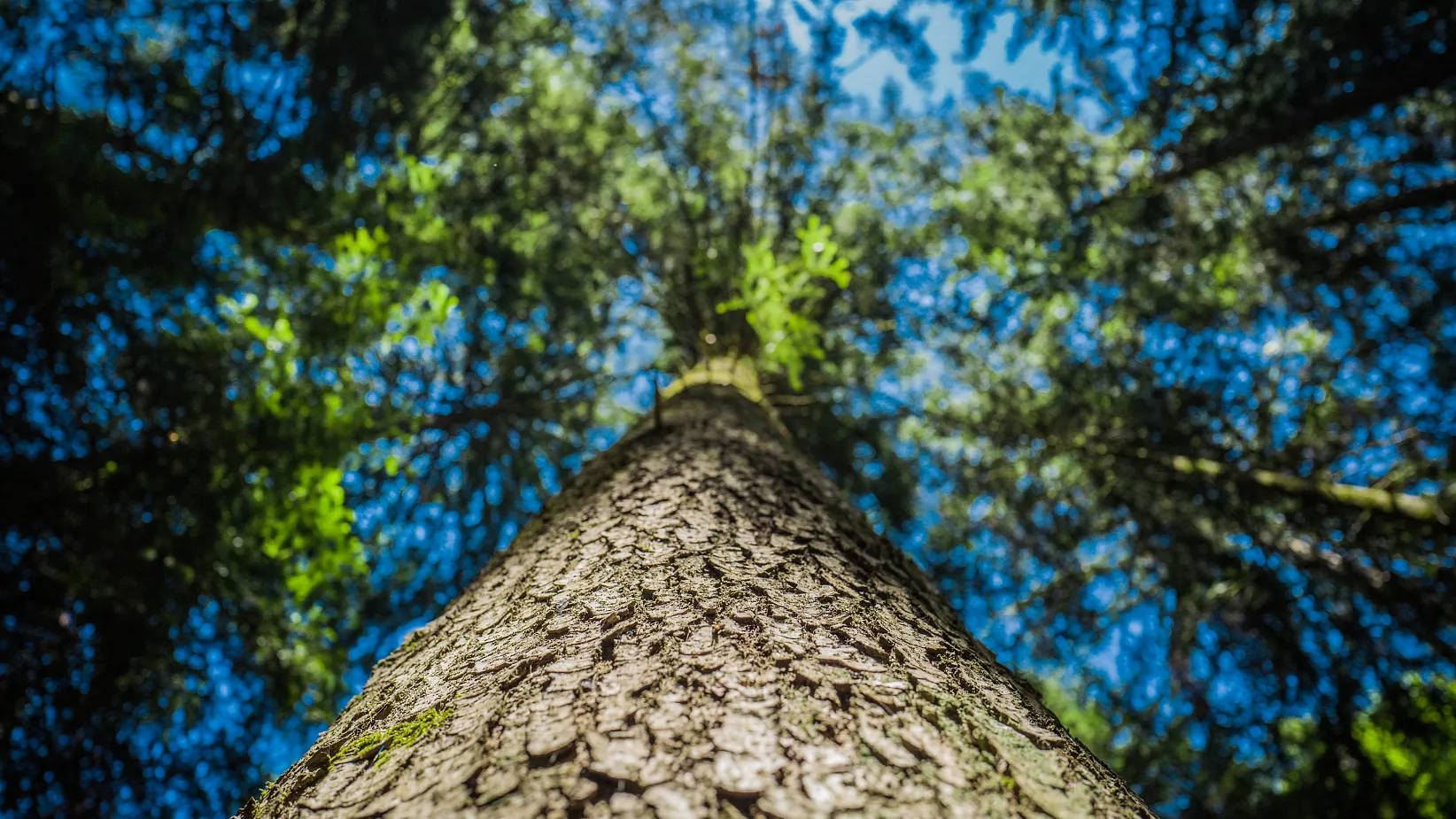
The natural environment of the Wilder Kaiser is home to a wide variety of plants and animals. Around 940 flowering plants, 38 species of fern and over 400 species of moss can be found there. The forests are largely mixed, consisting of beech, silver fir and spruce. These are joined by ash, sycamore and alder at higher altitudes, whilst further up, mountain pine and the pink alpine snowbell also make an appearance.
At this altitude, one typically encounters chamois – and if you look closely, you might even spot a snow mouse or a snow hare. Further down, however, you can also spot some very unusual creatures: as a result of Ice Age processes, the Kaiser Mountains are home to a number of rare invertebrates, such as a specific species of earthworm and rare species of snail and spider. Typical vertebrates found in the Kaiser Mountains include Alpine and fire salamanders, smooth snakes, common adders, dormice, hazel mice and bank voles. And for those who, whilst listening to the birdsong, wonder what might be singing: from the crag martin to the golden eagle, the whole flock of birds is there.
The forests in Ellmau, Going, Scheffau and Söll are also home to a number of wild animals. Time and again, you have the chance to spot roe deer, red deer, foxes, badgers or squirrels there.


Drinking water quality
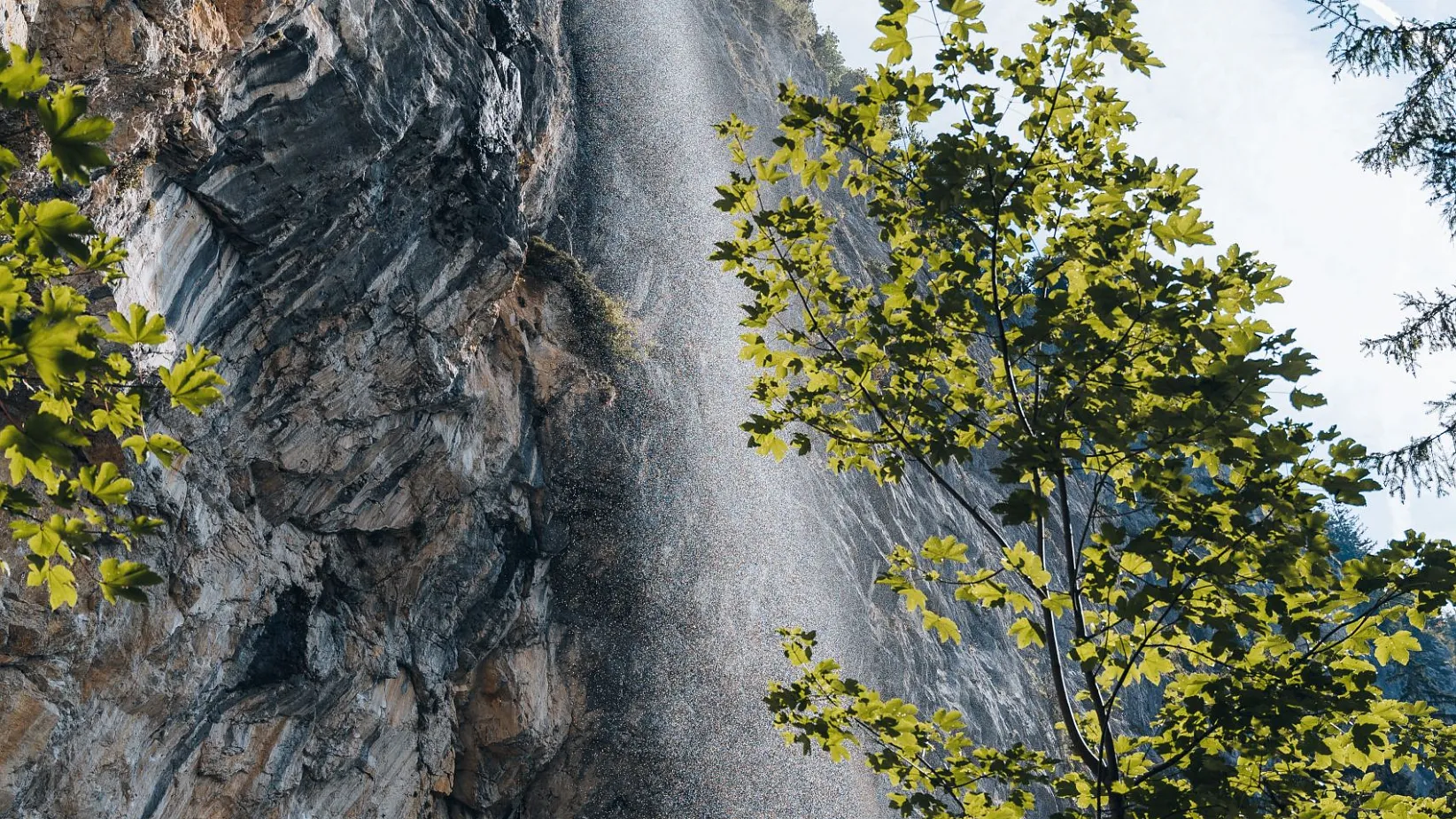
Buying bottled water? That’s not necessary in Austria. Pure and particularly refreshing drinking water is available straight from the tap. And in the Wilder Kaiser region, this luxury goes even further: the lakes, streams and fountains are fed by crystal-clear water from the surrounding mountain springs. But be warned: whilst there are usually plenty of opportunities to top up your water supplies in the valley, there are hardly any fountains or streams in the Kaiser Mountains because the water seeps away quickly in the limestone. So always make sure you take enough to drink with you...

Experience nature
#evenmorebeautifulinreal
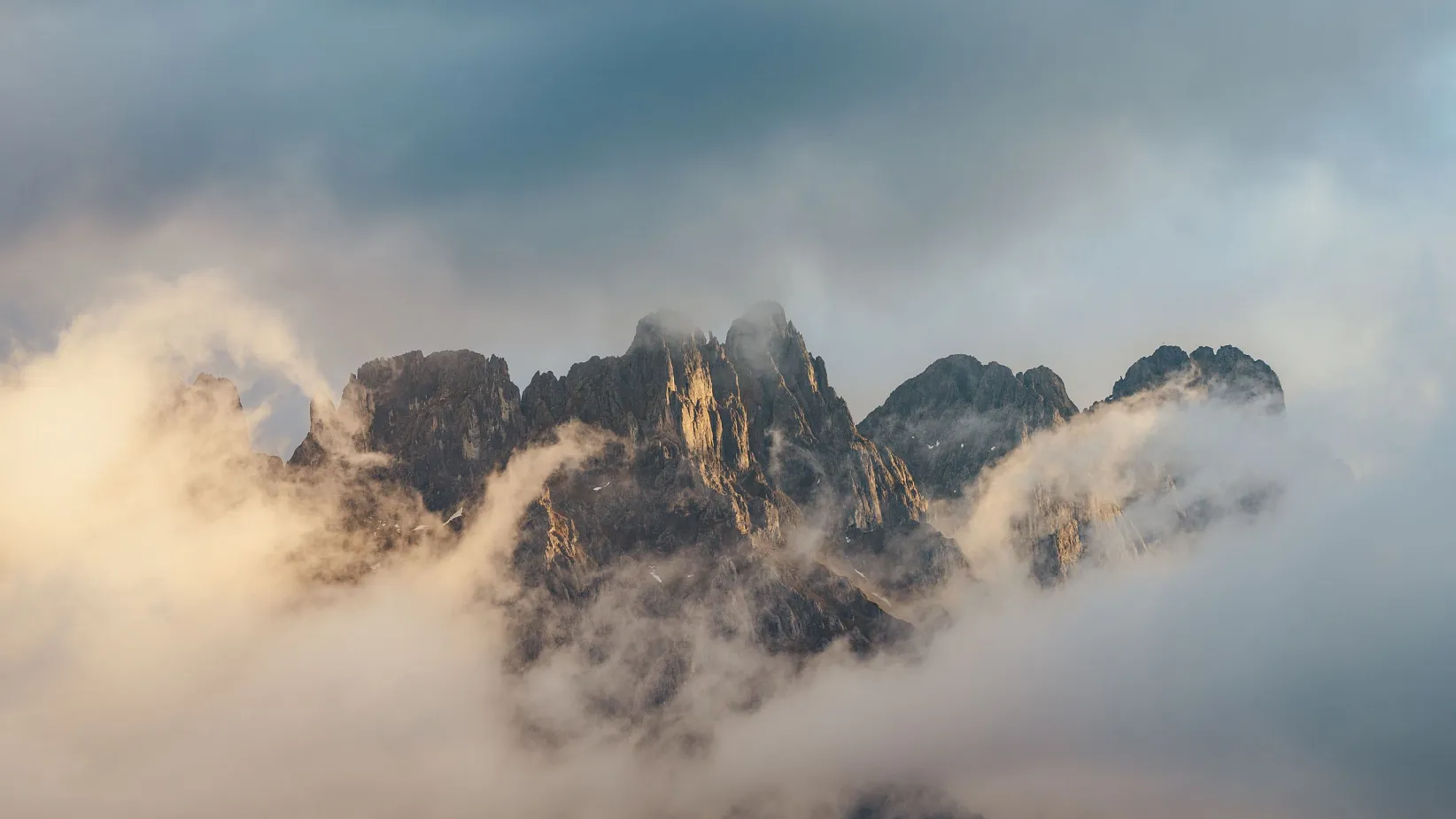
Experience nature in the Wilder Kaiser



Tip
360° panoramic tour of the region
Take a virtual tour of the region on the 360° panoramic tour
and discover the four imperial towns, places to visit, mountain huts and peaks.